
There is a moment in spring when the radiators go off, the clocks change, and you finally accept that the heavy coat doesn't need to live by the front door any more. That is the moment to put winter away properly. Get it right and everything comes back next October exactly as it went away. Get it wrong and you will spend October mourning a moth-bitten cardigan.
What you'll need
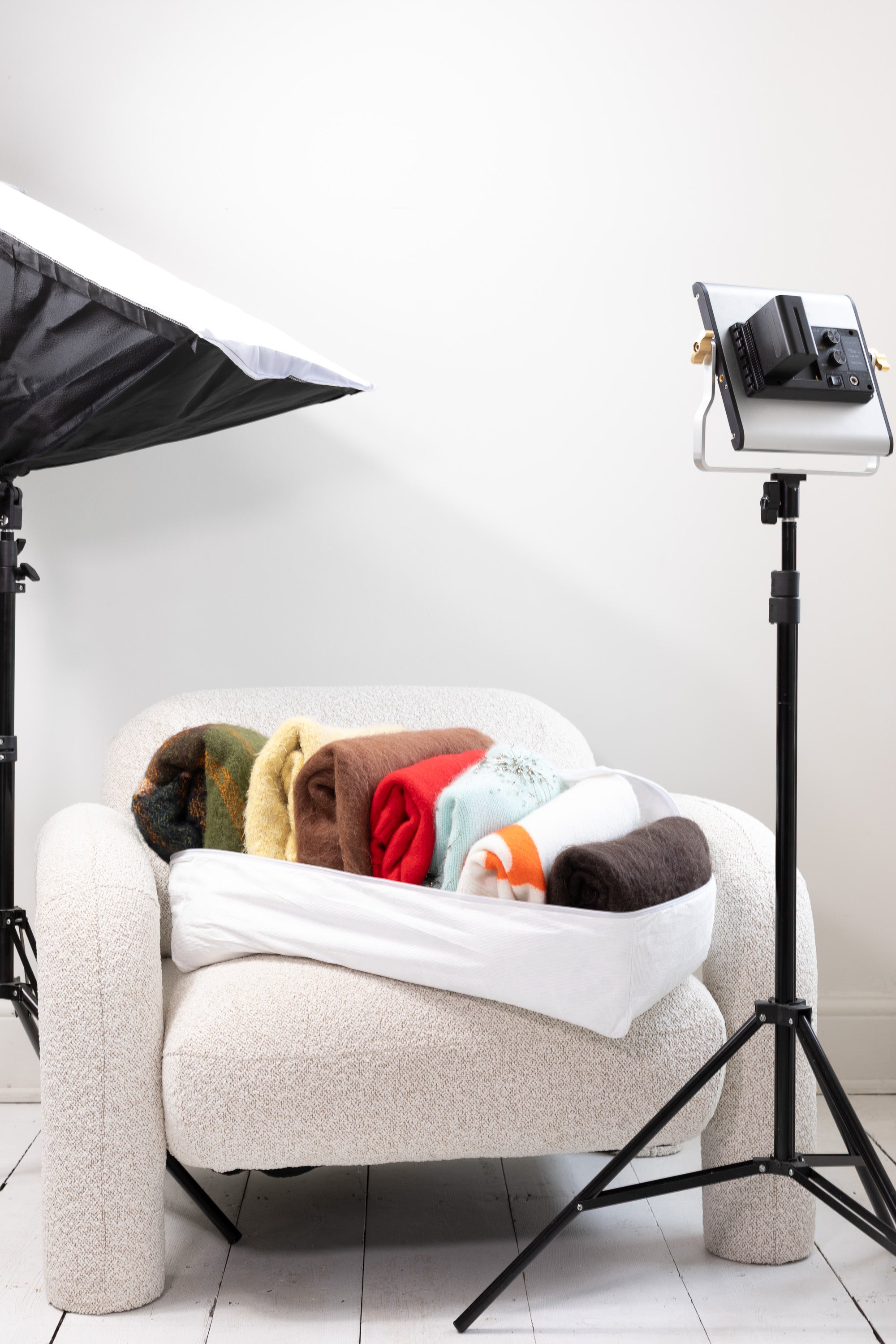
- Knitwear Storage Bags — breathable, pest-proof storage for folded knits
- Acid-free tissue paper — for layering between folds
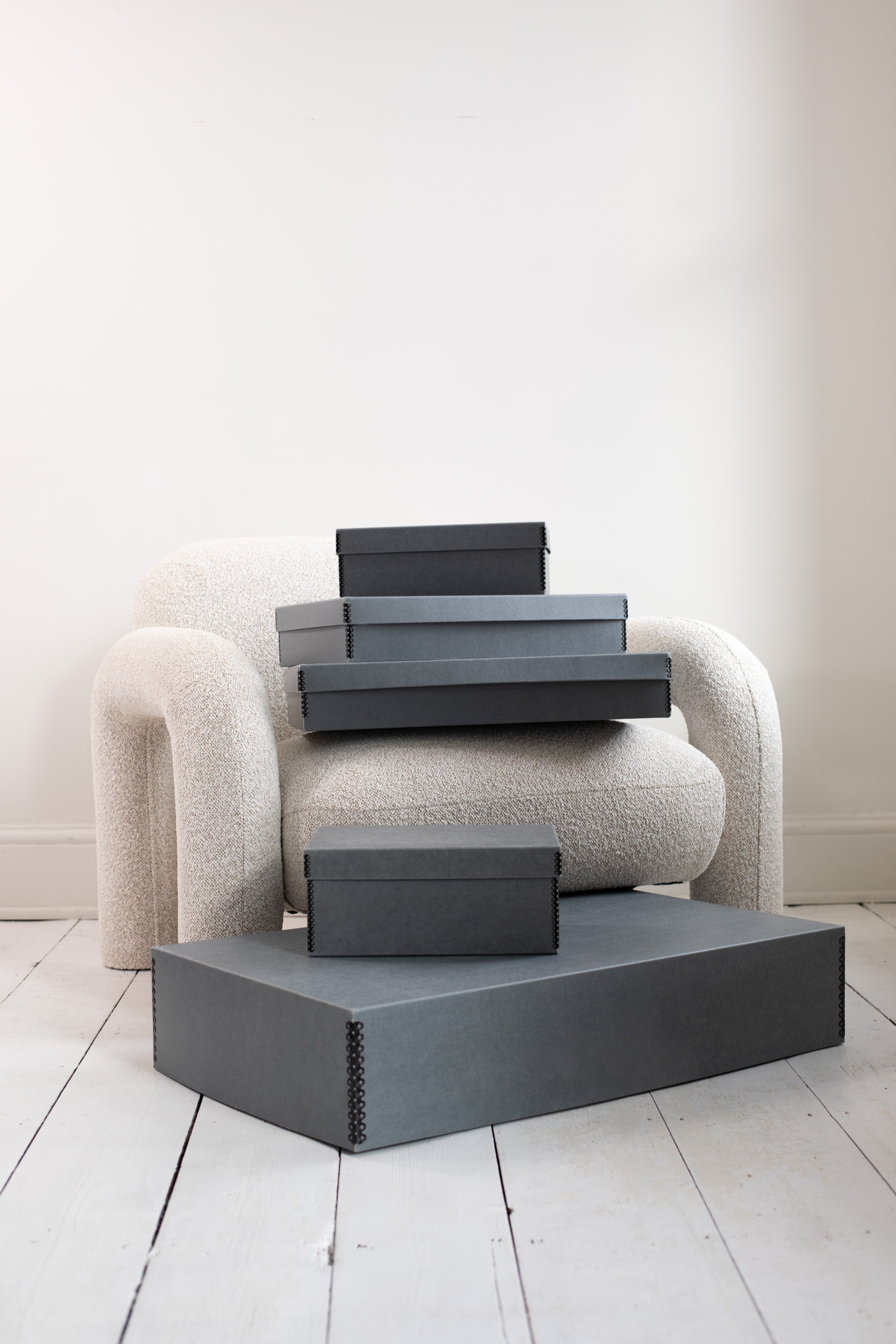
- Acid-free shoe storage boxes — for winter boots and dress shoes
- Tyvek Garment Bag — for hanging coats, suits and dresses
- Constrain Moth Spray — to treat the wardrobe before storage
- Pheromone Moth Traps — for ongoing monitoring
- Wide padded hangers — to support shoulders on heavy winter pieces
- Cedar shoe trees and boot shapers — to hold the shape of leather footwear
- Wool & Cashmere Wash — for the pre-storage clean
This is the seasonal ritual we run every year, drawn from the way museum conservators rotate textile collections. It takes an afternoon. It is quietly satisfying. And it will save you more than the cost of doing it, many times over.
Why winter clothes deserve special storage
Almost everything in your winter wardrobe is made from animal fibres: wool coats, cashmere knitwear, alpaca scarves, sheepskin gloves, lambswool jumpers, the felted wool of a peacoat. All of them are protein-based, all of them are food for clothes moth larvae, and all of them spend six months in storage every year. That is a long time for things to go wrong.
Winter pieces are also typically expensive, structured, and slow to replace. A single mistake — a cashmere jumper packed dirty, a wool coat hung in plastic — can ruin a piece you would otherwise have worn for ten more winters.
Step one: empty everything out
Take it all out of the wardrobe and lay it on a bed or clean surface. It sounds dramatic, but it is the only way to do it properly. You need to see what you have, sort it into categories, and clean the storage space before anything goes back in.
Sort into three piles: store away (heavy winter pieces you won't wear again until autumn), keep accessible (lighter trans-seasonal layers, the cardigan you will still want on a cool evening), and say goodbye (anything you didn't wear all winter and genuinely won't miss).
Step two: clean everything before it goes away
This is the rule that matters most. Even pieces that look perfectly clean carry invisible body oils, deodorant traces, food residue, and skin cells that are pure moth bait. Storing knitwear unwashed is the single biggest reason people open their drawers in October to find holes.
For knitwear: hand-wash in cool water with a wool-safe detergent, then lay flat to dry on a clean towel.
For wool coats and structured pieces: dry-clean or, at minimum, brush thoroughly with a soft natural-bristle brush and air for a day before storing.
For scarves and accessories: hand-wash if washable, otherwise air thoroughly.
Don't even consider storing anything with last winter's red wine spill on it. Every stain becomes worse with time.
Step three: clean the storage space
The wardrobe or drawer that is about to hold your woollens needs to be empty, dust-free, and pest-free. Vacuum the inside thoroughly, including corners and skirting. Wipe down with a slightly damp cloth and let it dry completely.
Then — and this is the bit conservators wouldn't skip — give the empty wardrobe a light spray with Constrain Moth Spray. It is a pH-neutral, water-based insecticide developed for conservation environments, designed to leave a residual barrier without staining surfaces or off-gassing into textiles. Spray the back, sides, shelves, and corners; let it dry fully before putting anything back. It stays effective for up to nine months — exactly the length of the storage season.
Crucially: spray the storage area, not the clothes.
Step four: pack each category properly
Knitwear (cashmere, wool, alpaca)
Fold flat, never hang. Layer with acid-free tissue paper between pieces, and pack into a knitwear storage bag — the Tyvek fabric is the same material conservators use for museum textile storage, blocking dust, light, and pests while staying breathable.
Wool coats and tailored pieces
Hang on wide padded hangers (never wire), inside a Tyvek garment bag. The Tyvek lets the wool breathe, keeps moths out, and prevents the slow yellowing caused by plastic dry-cleaning bags.
Boots and winter shoes
Clean, condition the leather (a thin layer of Renaissance Wax is excellent for long-term storage), stuff with rolled acid-free tissue or boot shapers, and pack into acid-free shoe boxes. Standard cardboard contains acids that can transfer to leather over months.
Scarves, hats, gloves
Wash, dry, fold flat with acid-free tissue, and store in a knitwear bag or acid-free box.
Step five: monitor
Place a couple of pheromone moth traps in the room — not inside the wardrobe. The trap uses synthetic moth pheromones to lure adult males, so putting it in the wardrobe would actively draw moths into the space you are trying to protect. The right places are quiet, dark, and undisturbed: behind the bed against the skirting, on top of a tall cupboard, underneath a chest of drawers, or in a corner behind furniture. Check them once a month and replace every twelve weeks. They are the cheapest insurance in the house.
Step six: pick the right spot
Cool, dark, dry, with steady temperature. The bedroom wardrobe or under-bed storage is usually ideal. Avoid:
- Lofts — extreme temperature swings cause condensation inside bags
- Basements — humid, often mouldy, sometimes mousey
- Garages and outbuildings — temperature swings, pests, damp
- Anywhere with direct sunlight — UV fades wool and silk faster than almost anything else
Step seven: a quick mid-summer check
Once or twice through the storage season, open everything up, give pieces a gentle shake, and check the moth traps. It takes ten minutes and catches anything wrong while it is still fixable.
The whole afternoon, in one list
- Empty the wardrobe and sort into store / keep / donate piles
- Clean every piece before storing
- Vacuum and treat the empty wardrobe with Constrain
- Fold knitwear into Tyvek bags with acid-free tissue
- Hang coats in Tyvek garment bags on wide padded hangers
- Box winter boots in acid-free shoe boxes after cleaning
- Place pheromone traps in the room (never inside the wardrobe)
- Store cool, dark, dry — and check once a month
Frequently asked questions
When is the right time to do it?
Late April to early May for most UK homes — once you are confident you won't need the heavy coat back. Earlier in mild years, later in cold ones.
Do I really need to wash everything?
Yes. Even pieces that look spotless carry the invisible residues moths love. It is the single most important step.
Can I use vacuum bags to save space?
No — they trap residual moisture, compress fibres flat, and create exactly the conditions pests love. Use breathable Tyvek instead.
What if I find moth damage when I unpack in October?
Quarantine the affected piece, freeze it for 72 hours to kill any larvae, then have it invisibly mended. Treat the storage area with Constrain before putting anything back.
An afternoon now buys you a wardrobe that ages beautifully. Worth every minute.